
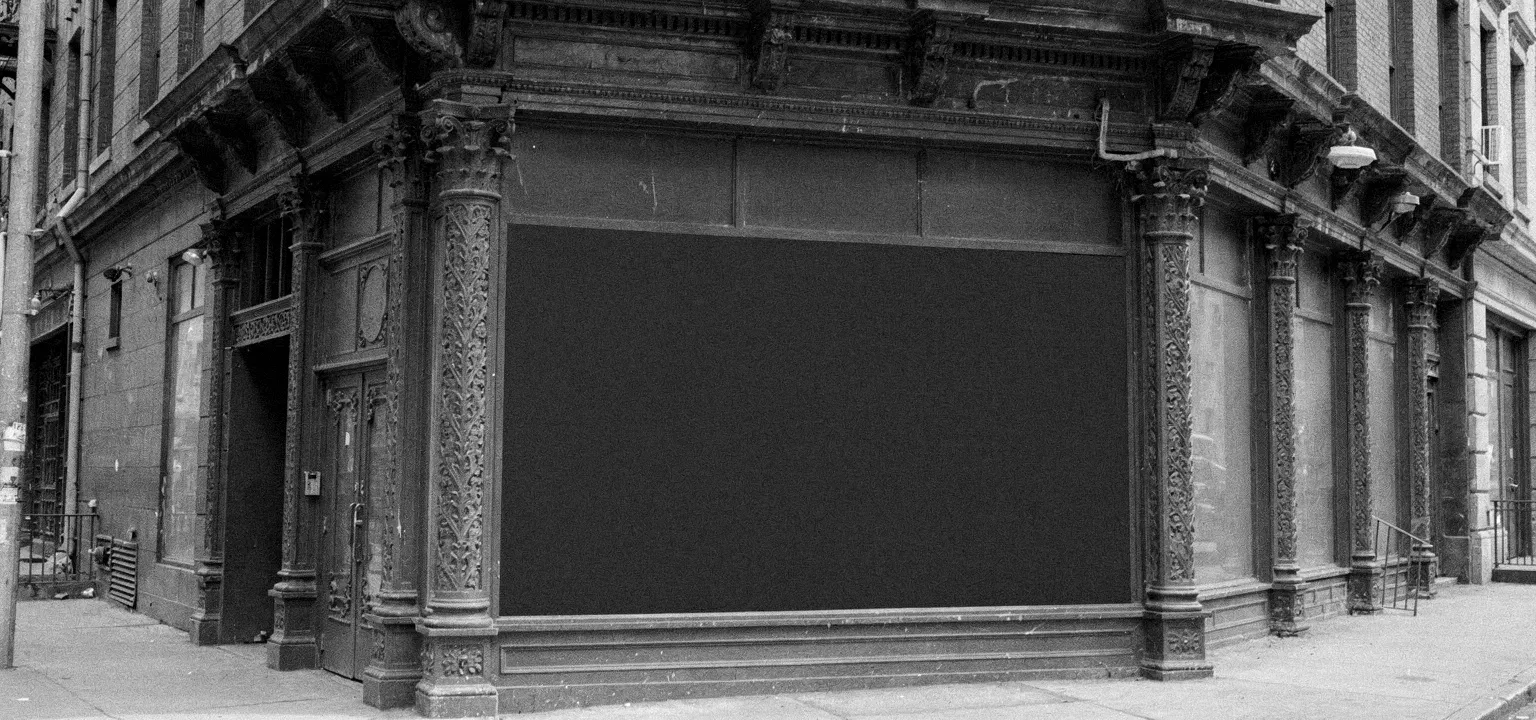
If your pre-1938 New York City storefront has no Certificate of Occupancy, that is usually legal—and still a major leasing problem. Our advice: get an official Letter of No Objection from the city before you agree to the date when the tenant's rent starts.
A Certificate of Occupancy (CO) is the Department of Buildings (DOB) document listing a property’s legal use, exit doors, and maximum capacity. Under NYC Department of Buildings rules, buildings built before 1938 do not legally need a CO, as long as later work never changed their legal use, exit routes, or occupant limits.
That exemption creates a costly trap. Landlords often assume that because a storefront operated as retail for decades, its retail status is grandfathered forever.
It is not. Running a shop there for years does not prove legal use on its own; city records must back it up. If past records list the space for manufacturing or storage, the city can pause permit review until legal retail use is documented.
The exemption, taken apart
Three things later work must not have changed
“Buildings built before 1938 do not legally need a CO, as long as later work never changed their legal use, exit routes, or occupant limits.”Article — opening section
“For a pre-1938 building that has not had changes requiring an updated CO, the standard way to prove legal commercial use is a Letter of No Objection (LNO).”Article — How a Letter of No Objection Fixes This
“An LNO is not a blanket pass. It does not replace construction permits, eliminate inspection risks, or allow major changes that legally need an updated CO.”Article — How a Letter of No Objection Fixes This
What Happens When the Paperwork Is Missing
When a new tenant files plans, missing proof of legal use can prompt city plan examiners to flag the job, depending on the filing.
If an examiner stops the job mid-deal, fixing it takes time. The owner must dig through city archives for old paperwork or apply for an updated CO—a lengthy process that can trigger building-wide reviews and upgrades.
Meanwhile, the person handling tenant permits cannot pull construction approvals. Rent-free buildout time ticks away, leading to fights over free rent or threats to walk away.
But having paperwork ready avoids that fight. National brands and franchise operators check city records closely before signing. A storefront with clear paperwork can be shown to major tenants with confidence. The same space backed only by word of mouth gets delayed, discounted, or passed over for a property where the owner did the homework first.
How a Letter of No Objection Fixes This
For a pre-1938 building that has not had changes requiring an updated CO, the standard way to prove legal commercial use is a Letter of No Objection (LNO).
Issued by the local DOB borough office, an LNO confirms that your proposed or actual use follows building and zoning rules, provided exit routes and occupant limits stay unchanged from historical records.
An LNO is not a blanket pass. It does not replace construction permits, eliminate inspection risks, or allow major changes that legally need an updated CO. Where applicable, it proves legal retail use without a full CO update. If tenant plans keep existing exits and occupant limits unchanged, minor work can proceed under standard permits and finish with a Letter of Completion.
What Owners Should Do Before Signing
Before signing a lease on an older retail space:
- Check City Records Early: Search past property jobs in city databases. Certificate of Occupancy requests filed before March 1, 2021 live in BIS; requests filed on or after that date are in DOB NOW.
- Get the LNO Before Marketing: Assemble historical property documents and get an official Letter of No Objection from the DOB before agreeing to the date when rent starts.
- Set Clear Lease Rules: When outlining business terms in your retail letter of intent, specify that if the tenant's buildout alters exit doors or occupant limits, the tenant carries that review time.